

Someday, humans will go extinct. But that won’t be for a long, long time.
Scientists supposedly brought back long-extinct dire wolves just a few months ago, so there’s hope for us yet. We are, in fact, the most intelligent species. We can talk, laugh, and make music.
We can launch rockets into space and missiles into other missiles. We’ve got electricity, air conditioning, and four-wheel drive. There’s no stopping us, that is, until the inevitable population decline.

Plummeting birth rates around the world are concerning enough. Just what the hell am I going to do with all these paperback copies of 1968’s The Population Bomb? That’s the last time I purchase bulk on eBay.
Sea turtles have roamed the oceans for a hundred million years, longer than we’ve been around. In all that time, they’ve never had a hit movie of their own, like Jaws or Free Willy. Maybe they’re just not menacing or interesting enough.
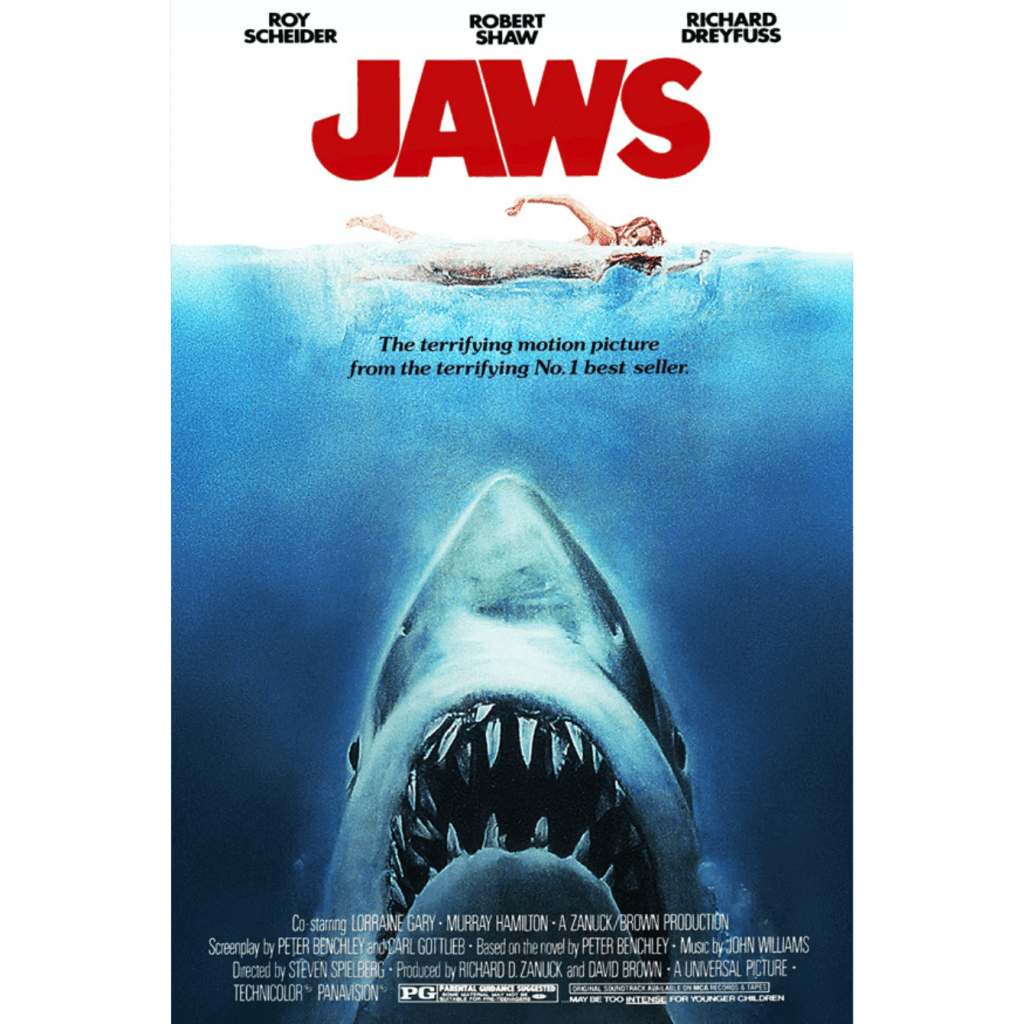
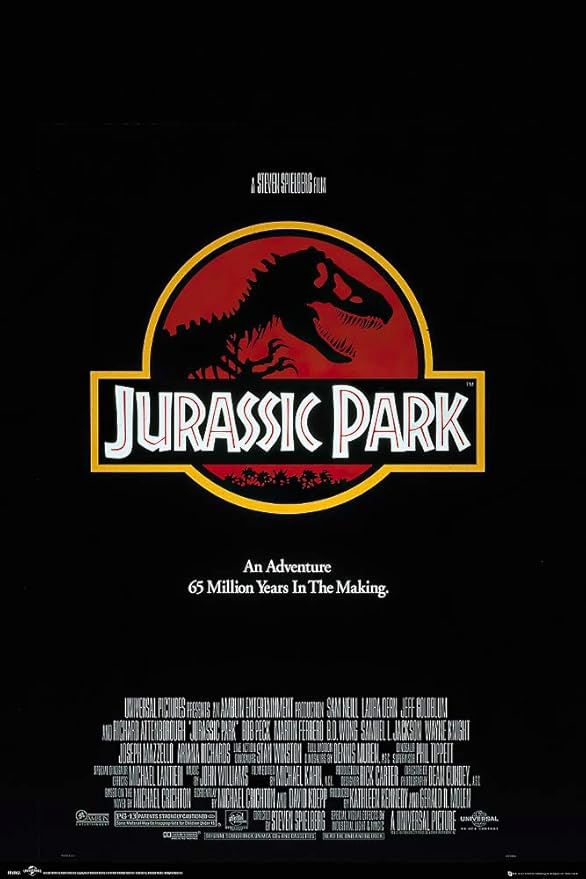
Steven Spielberg propelled great white sharks into the spotlight, much as he later did with dinosaurs in Jurassic Park. Now the only thing that won’t go extinct is that hopelessly bloated franchise.
Hungry Like a Wolf
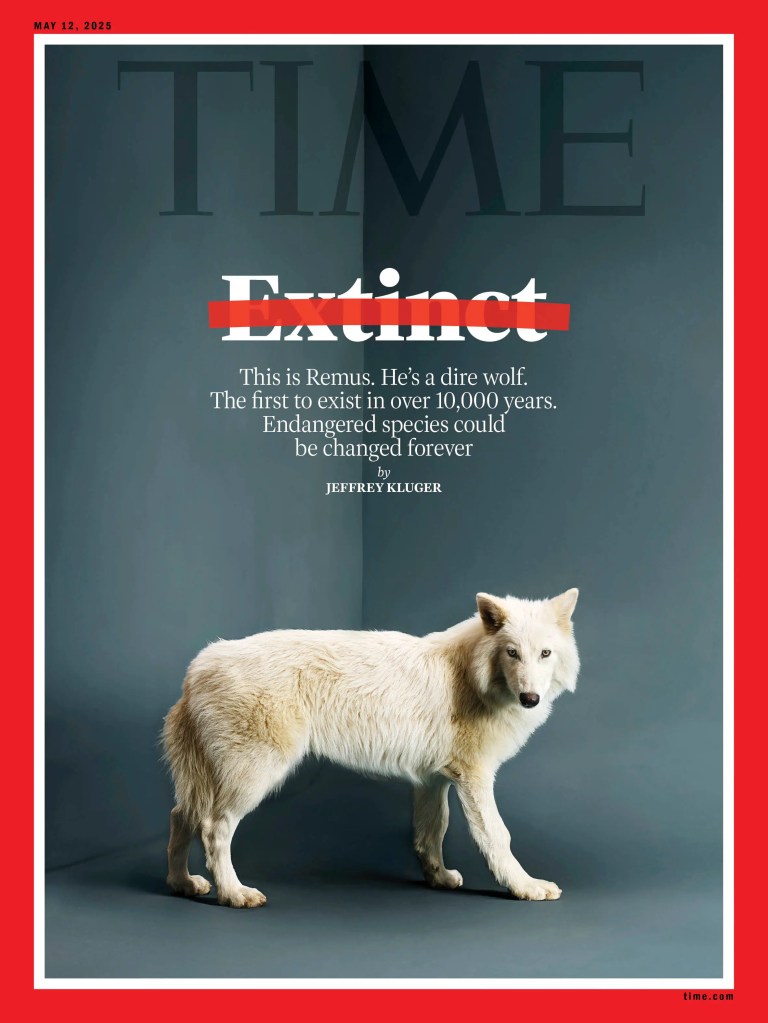
Dire wolves saw a resurgence in popularity following their portrayal on HBO’s landmark medieval fantasy series Game of Thrones, based on the books by George R.R Martin. Perhaps you heard of it.
These mythical-like species have been extinct for over 10,000 years, but that’s no big deal. Let’s bring them back!
Clearly not heeding the disastrous lessons of dinosaur theme parks, a company called Colossal Biosciences altered the genes of gray wolves to mimic those of the dire wolf genome, thus creating new life.

Scientists engineered embryos and transferred them into domestic dogs, resulting in the births of three gray wolves with a hint of artificial dire wolf genes.
I suppose it’s a start, but toward what exactly? Do we need more Ian Malcolm quotes to make things clear?
Cat-tropolis
What if I could resurrect my family cat, Patches?
Like, if they took an old blood sample and did science things to it, and produced another cat just like her. It probably wouldn’t be right, because she already had her time and purpose.
Patches was a predominantly black cat with a white chest and orange “patches” on her fur, hence the name. She often ventured into the woods behind our house, endlessly exploring, until the day she didn’t return at all.
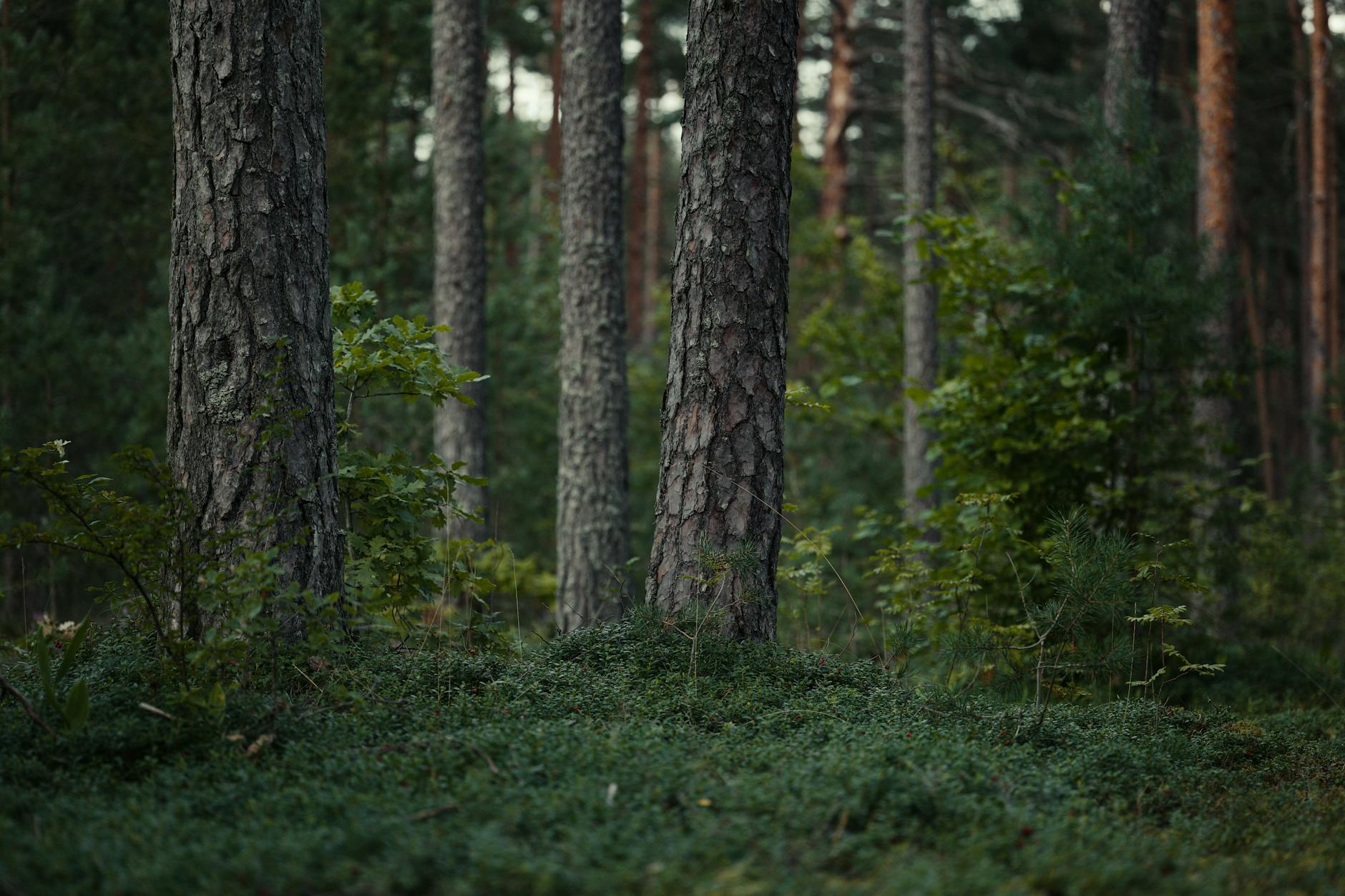
There were a lot of snakes in those woods. We suspect she had been bitten by something venomous. As kids, the area seemed uninhabited and unexplored, except for one strange, mysterious relic from a time long before my family ever moved there.
In the middle of the woods sat an abandoned ’70s car, mostly a rusty frame with the glass smashed out, covered in pine needles and pine cones. The bench seats in the front and back were torn, with springs protruding from the vinyl. I can’t remember if it had tires or even an engine.
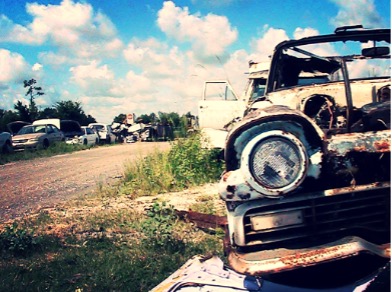
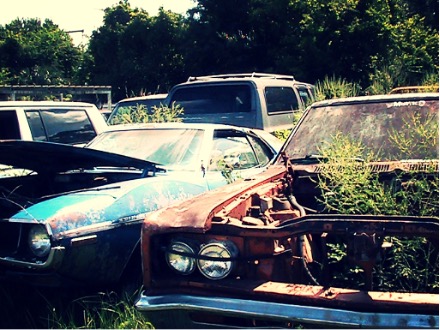
The broken-down junker, or “ghost car,” as it was known, was a popular hangout for us neighborhood kids. We sat on the hood or in the driver’s seat, turning the steering wheel. Of course, we speculated how it had gotten there.
A family traveling off the beaten path had obviously been attacked by either grizzly bears, werewolves, or Bigfoot.
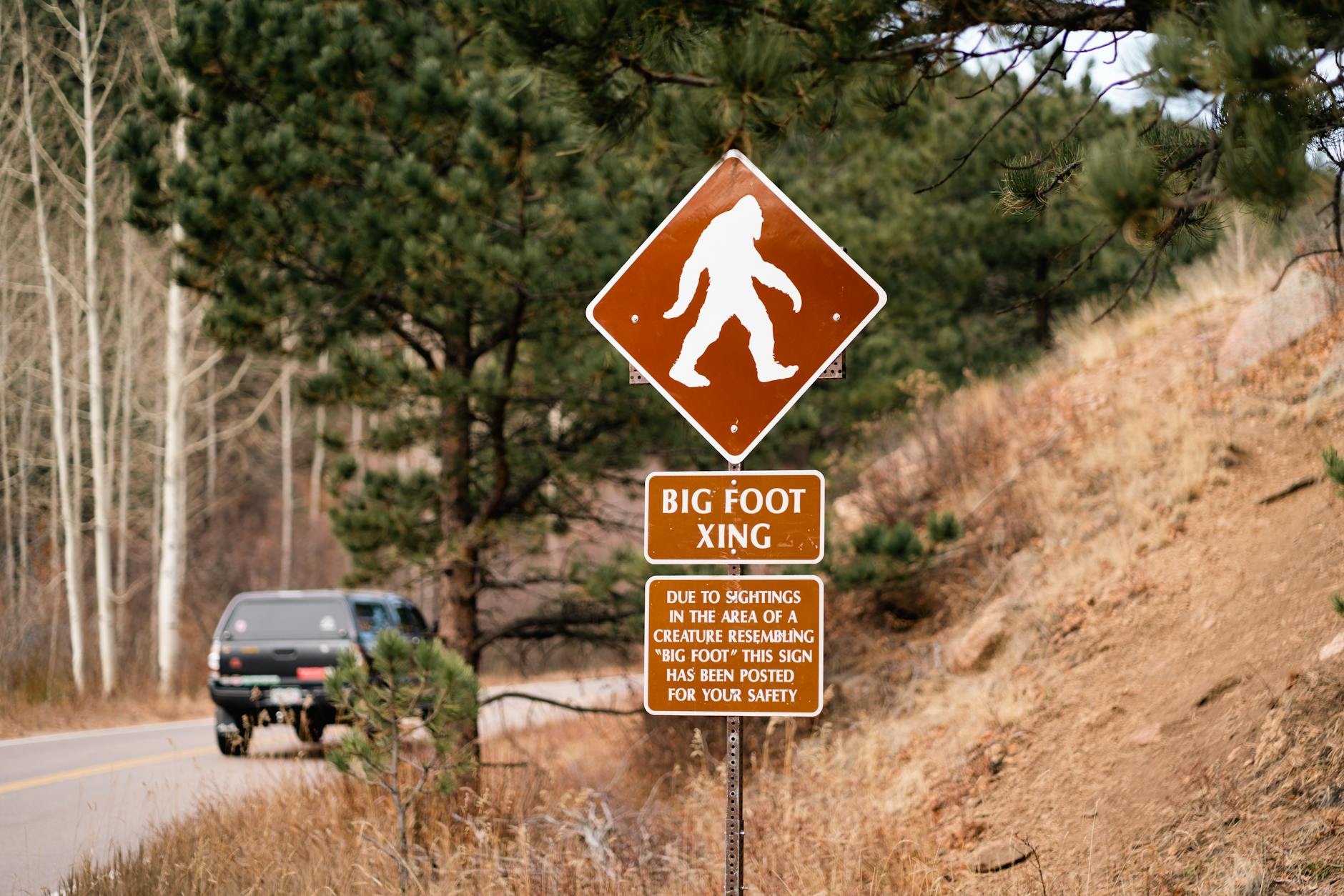
The ghost car had become a permanent fixture, like the circle of pine trees surrounding it. It would never leave until the day it was finally towed. Until then, it remained a hunk of scrap metal largely forgotten by the world.
Sometimes you’ve just got to leave well enough alone.
 Shawn McKee
Leave a comment