

Regrettably, I’m behind on preparations for America’s birthday.
I’ll probably be exiled to some remote island commune with other hopeless expats or forced to compete on Survivor, the long-running reality show that’s been around for a fraction of our illustrious country’s existence.

I got balloons, a birthday card, and a cake (Carvel, of course). What else?
For starters, I forgot the fireworks. What’s a birthday celebration without fireworks? They’re so ridiculously expensive, though, and I’m on a tight budget.
I suppose I could splurge for the country that’s given me freedom, opportunity, and a life of unimaginable abundance. It’s hard not to think about what that means.
American Splendor
We live better today than any Roman emperor, pharaoh, or king in all of human history. Sure, they had servants and privileged amenities, but did they have DoorDash? They didn’t even have dishwashers!
On average, we enjoy a higher standard of living than most people throughout history and many people in much of the world today.
In just fifty years since America’s 200th birthday, life expectancies have dramatically increased with vast improvements in technology and medicine. Modern conveniences are more accessible and ubiquitous than ever.
Grocery stores, restaurants, air conditioning, indoor plumbing, coffee machines, washing machines, computers, smart phones, eBooks, highways, cars, trucks, airplanes, and so much more are considered just a normal part of life.
But that wasn’t always the case. Like oxygen, we often take these things for granted.
Our freedoms and advancements didn’t fall out of the sky.
The United States of America and the U.S. Constitution emerged from the ideals of the Age of Enlightenment in the seventeenth and eighteenth centuries, as well as the sacrifice and bloodshed of the American Revolutionary War and the generations of Americans who fought in the conflicts that followed.
Our Constitution and Bill of Rights were established as a rejection of tyranny and an affirmation of self-governance and individual liberty.
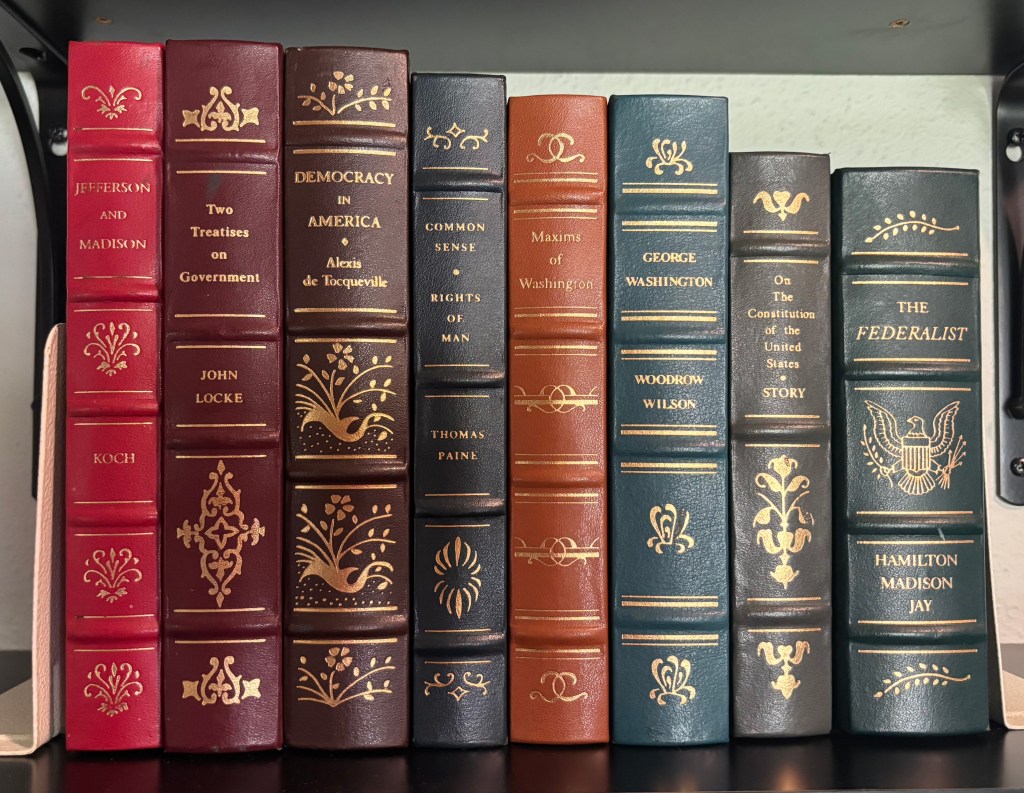
At the time, these principles represented a profound departure from a world in which monarchies, conquest, and slavery dominated political life, and in which the rights of ordinary individuals were often limited, conditional, or subordinate to the authority of the state.
But all of that changed on July 4th 1776, when the Second Continental Congress unanimously adopted the Declaration of Independence (our founding document), declaring its thirteen colonies free from British rule.
The preamble’s words of its principal author, Thomas Jefferson, ring truer with each passing generation:
“We hold these truths to be self-evident, that all men are created equal, that they are endowed by their Creator with certain unalienable Rights, that among these are Life, Liberty and the pursuit of Happiness.”
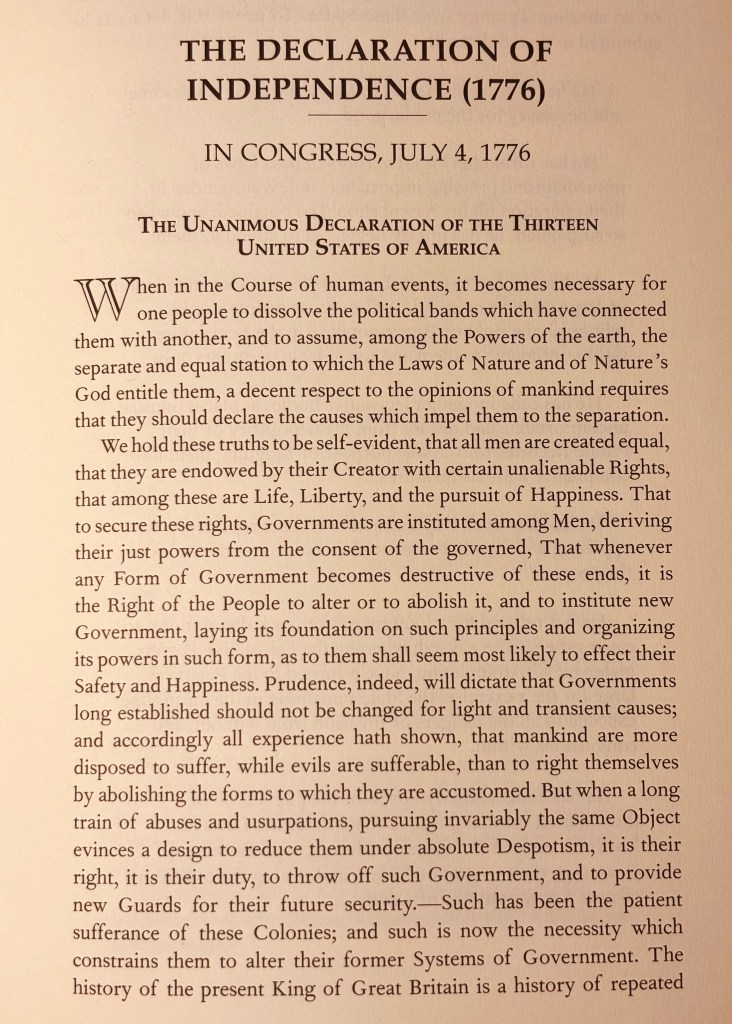
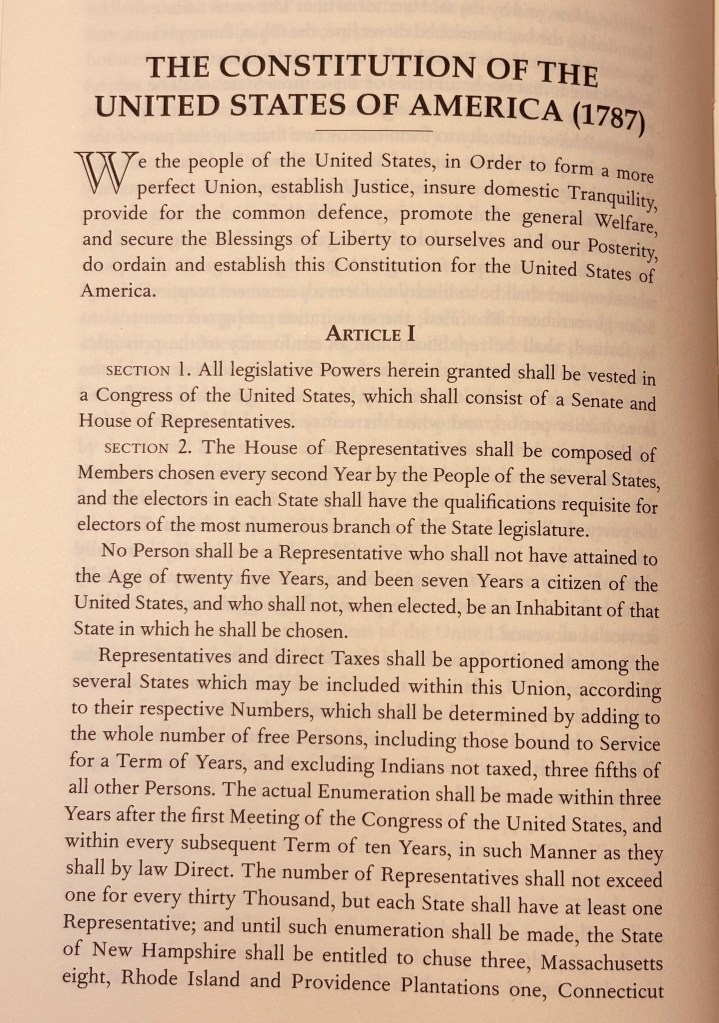
The principles enshrined in our founding documents have been preserved through the blood and sacrifice of generations, securing the promise of liberty for all. The number of lives lost in defense of our freedoms since then is immeasurable. Our rights have come at a great cost.
Despite such sacrifice, the “Blessings of Liberty” can all effortlessly slip away tomorrow. The country, as founded, can cease to exist. Preservation requires vigilance and, at the very least, an understanding of basic civics and appreciation for what we have.
Born on the 4th of July
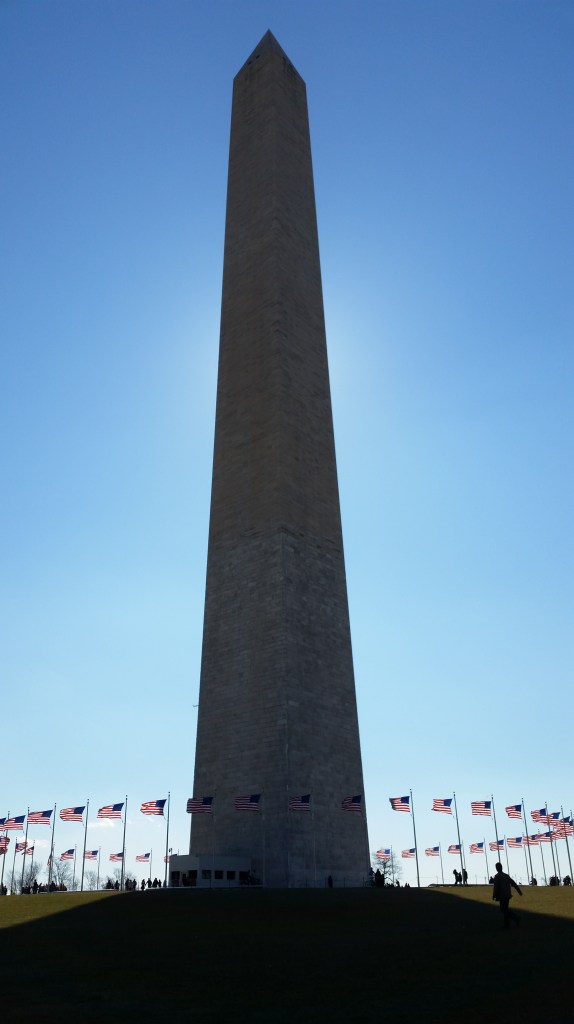
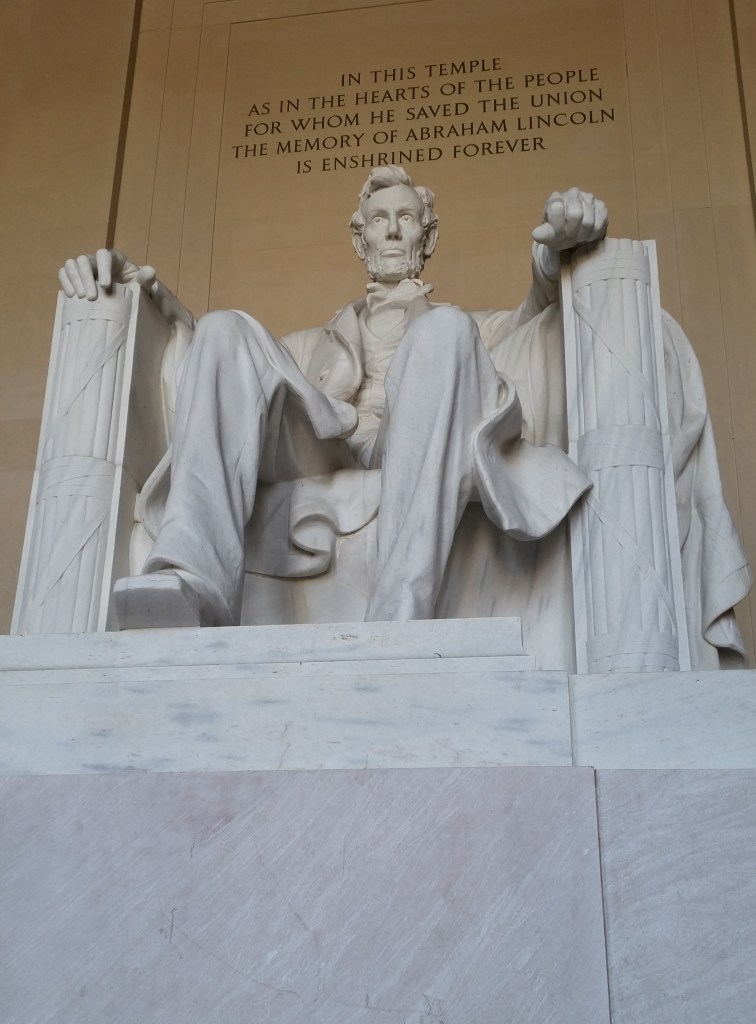

No country is perfect, and America is no exception. Our flawed and complex history of war, conquest, slavery, injustice, and the like has come with the territory. These sins don’t negate the promise of the country today or in the future.
Our Founders devised the constitutional amendment process to address imperfections and ensure that the Constitution could evolve when necessary.
Beginning with the Bill of Rights—the first ten amendments—the Constitution has been amended a total of twenty-seven times to strengthen our system of government, expand and protect individual rights, and address the nation’s changing needs.
For these reasons and more, we celebrate the enduring legacy of what many regard as the greatest experiment in self-government in human history.
It’s simple, really. You don’t have to love or even appreciate the country to benefit from its greatness. It’s the only country where those who complain about it the most never leave.
Where else (or when else) would we rather live? We all long for simpler times. I’d love to perpetually live in 1980s, for instance. But we are all the beneficiaries of this brilliant nation in some form or the other.
It’s hard to sum up 250 years, but I can’t overstate the significance of how far we’ve come. Whereas, in the grand scheme of history, we’re a blip on the map.
Will we be the same country in 300 years? Will the nation even exist? I sure hope so.
I’m grateful to have been born in this country at this time in history. I wouldn’t want to be anywhere else. I’m grateful for my ancestors, whose roots in America trace back to the Revolutionary War.
Long live the republic for which it stands, and God bless the USA.



Leave a Reply