
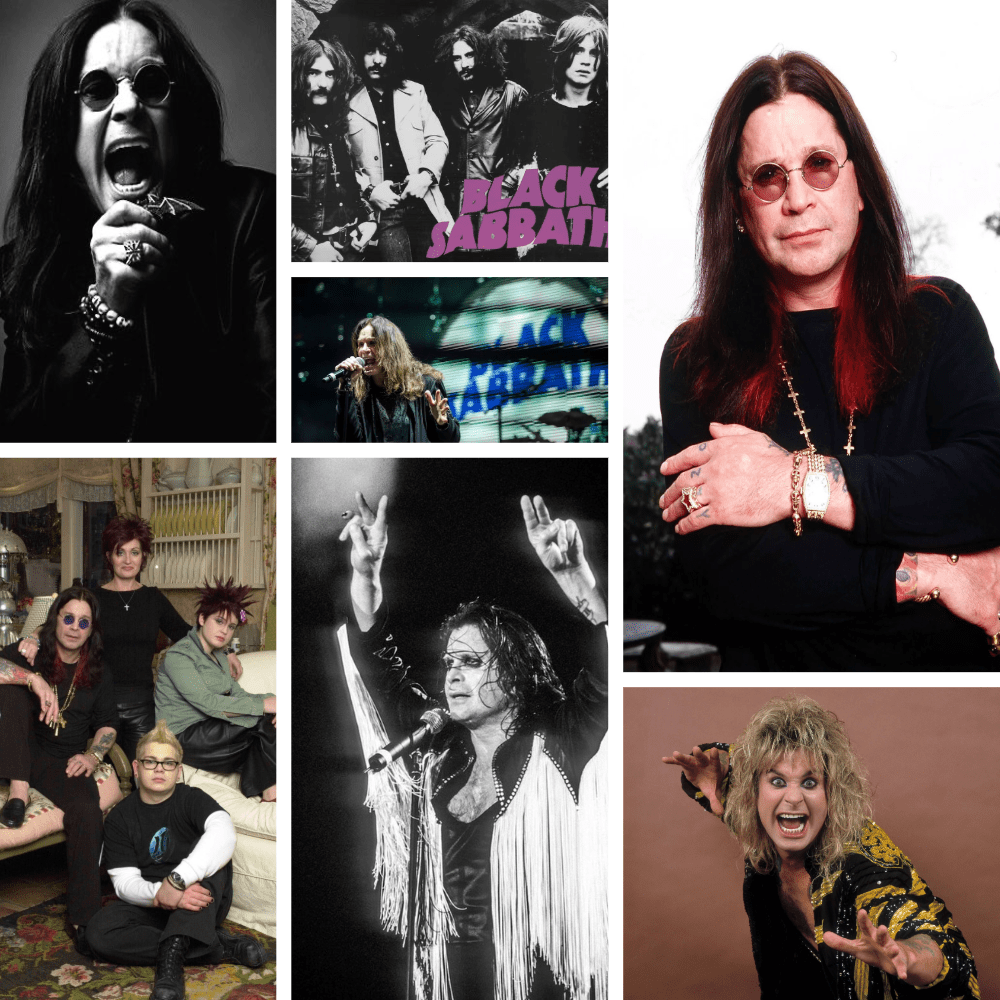
It’s been a tough week for those of us who came of age in the golden era of the ’80s and ’90s.
In just a few days, we lost both Malcolm-Jamal Warner, beloved as Theo, and wrestling icon Hulk Hogan. But for music fans, the heartbreak runs even deeper as we mourn the loss of the greatest rock legend of all time.
The news of Ozzy Osbourne’s death at 76 is stunning for many reasons. He was always around until he wasn’t. We got selfish and expected him to live forever. Granted, it’s surreal to witness the end of an era, the passing of another cultural icon, as time races by indifferently and without warning.
We mourn the Prince of Darkness with gratitude and condolences for his family. We also celebrate the phenomenal output of his lifetime of work, a reminder of what made him stand out, unlike anyone or anything else.
The Thrill of It All
Ozzy Osbourne was an astonishingly prolific, immensely talented singer/songwriter, musician, artist, and sometimes actor who dominated the culture for over five decades.
Born in Birmingham, England to a working-class family, John Michael “Ozzy” Osbourne was drawn to music at a young age, joining a band in the late-60s that would become Black Sabbath.
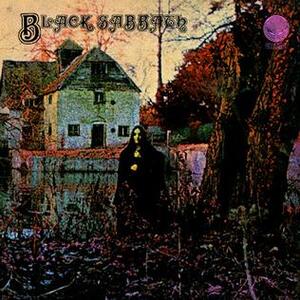
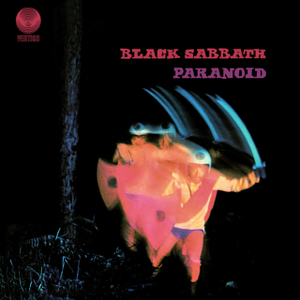
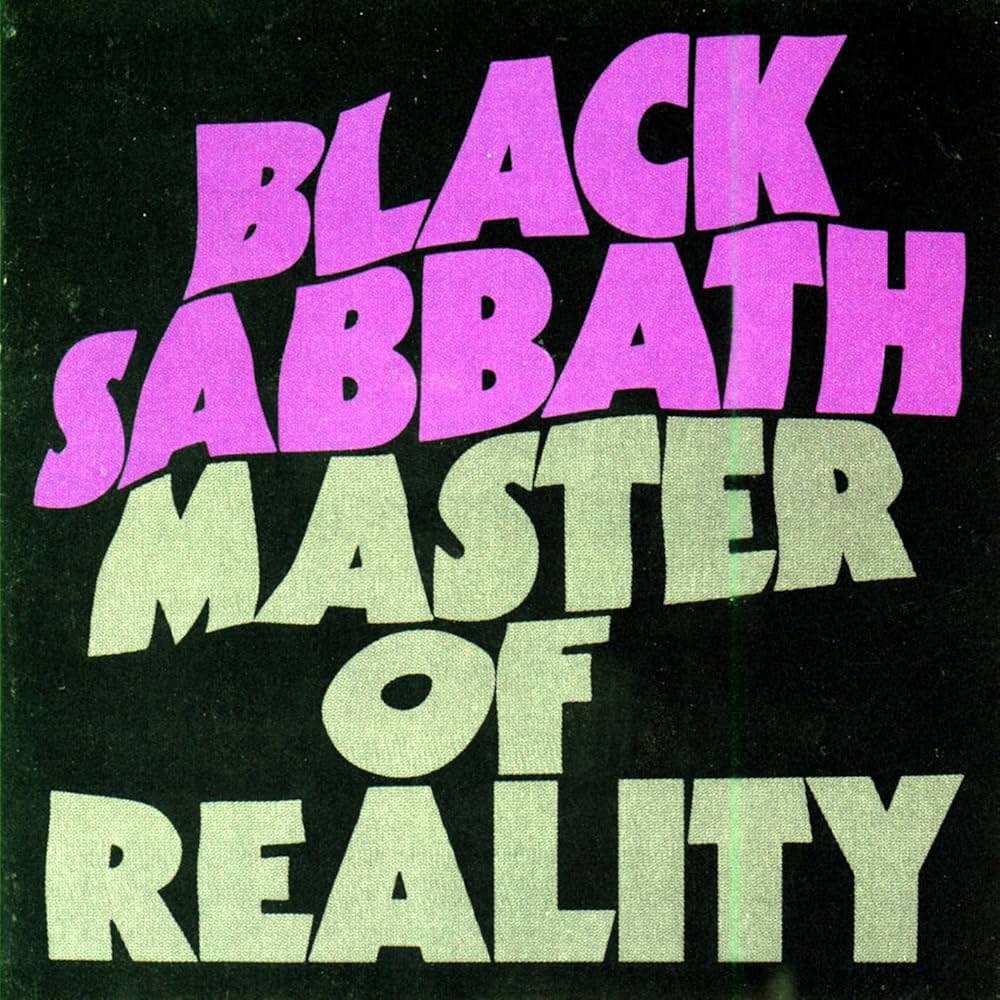
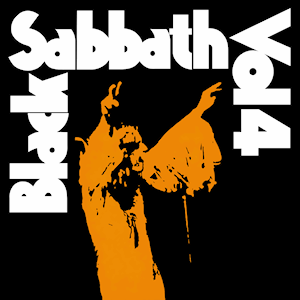


The British Invasion was in full swing, spearheaded by the Beatles, the Rolling Stones, the Who, the Moody Blues, Cream, and countless others. Black Sabbath exploded onto the scene as heavy metal pioneers.
Their blues-infused rock, gothic undertones, brilliantly catchy guitar riffs, and horror-inspired aesthetic were enough to catapult them to immediate success.
Their music was dark, innovative, and deeply cathartic, layered with an ominous, foreboding energy that was unlike anything that came before.
The fusion of Ozzy’s haunting vocals, Tony Iommi’s thunderous guitar riffs, Geezer Butler’s hypnotic bass lines, and Bill Ward’s brooding, off-kilter drumming permanently reshaped the landscape of rock music.
And yet, Ozzy’s indelible impact on the music of the 1970s was only just beginning.
Flying High Again
On July 5, 2025, fifty-five years after the release of Black Sabbath’s self-titled debut, Ozzy reunited with his old band in what would be his last performance.
Billed as “the final show, “Back to the Beginning” stood as a fitting tribute and sendoff to a legendary, larger-than-life artist.
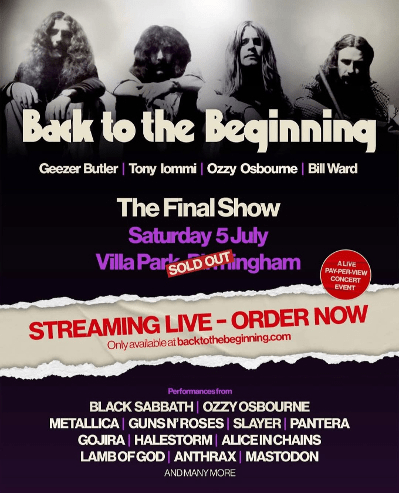
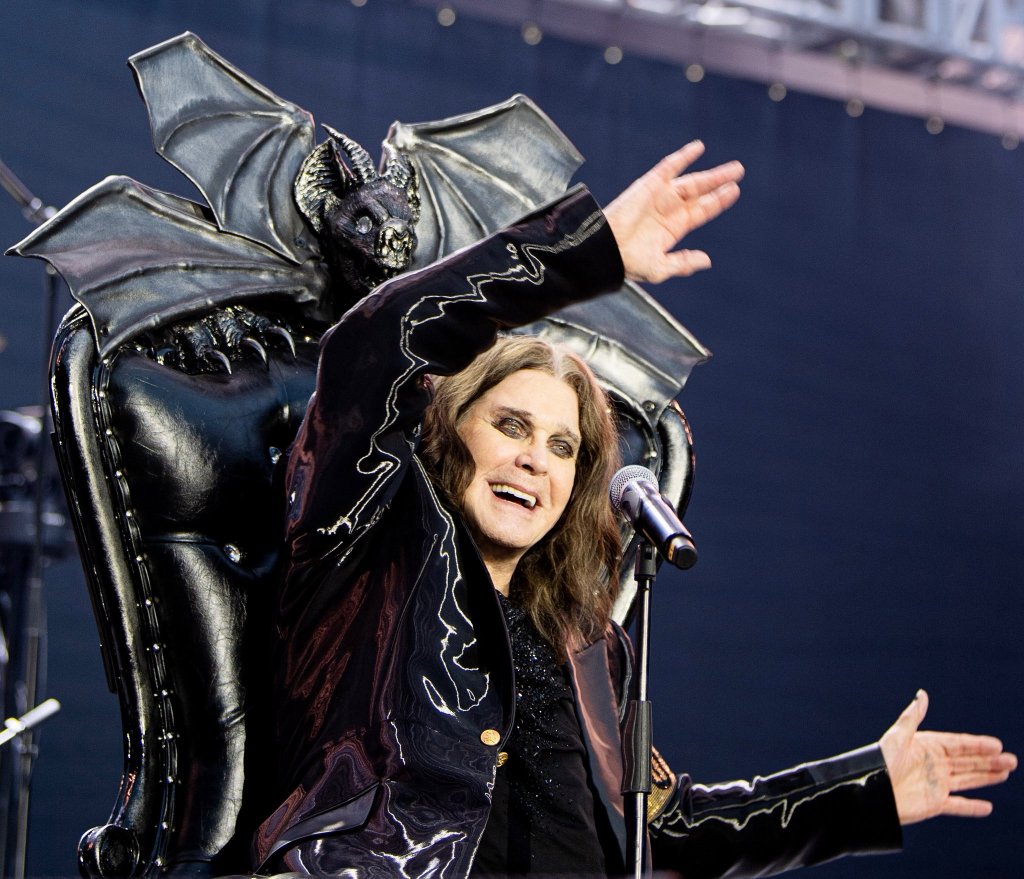
The farewell show featured a monumental lineup that included Metallica, Guns N’ Roses, Slayer, Pantera, Alice In Chains, Anthrax, and more. Watching Ozzy seated in his throne, struggling with Parkinson’s and belting out one classic tune after another, stands as a testament to his strength as a performer and dedication to his fans.
In my youth, Ozzy Osbourne was a treasure trove of discovery. I can’t remember when or where I first heard Black Sabbath or his solo work. The songs were always just there.
By middle school, radio mainstays like “Iron Man,” “Paranoid,” “War Pigs,” “Crazy Train,” “Mr. Crowley,” and “Shot in the Dark” further pulled me into the dark, twisted world of rock and roll.
Coming of age during the release of one of Ozzy’s most successful albums, No More Tears (1991), only deepened the impact. With unforgettable tracks like “Mama, I’m Coming Home,” “Hellraiser,” “Time After Time,” and the epic title song, the album left a lasting mark. Its influence was impossible to overstate.
You Can’t Kill Rock and Roll
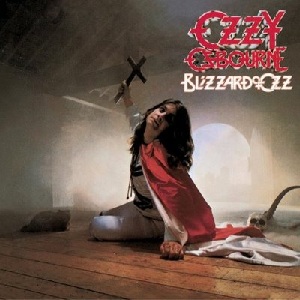
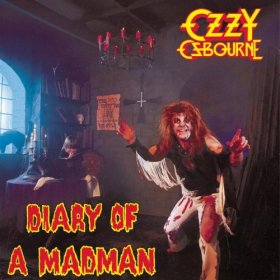
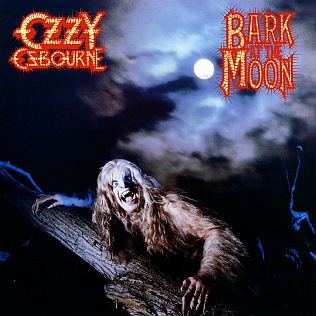
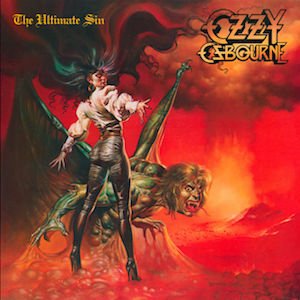

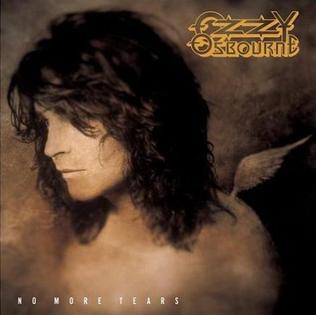
As a teenage “metalhead” raised on classic rock, Ozzy stood as the pinnacle of the genre, alongside Led Zeppelin and other giants. His 1980 solo debut, Blizzard of Ozz, and follow-up Diary of a Madman (1981) left a huge impression on me.
Both albums introduced me to Randy Rhoads, one of the greatest guitarists of all time. Rhoads tragically died in a plane crash while on tour in 1982, a loss that greatly affected Ozzy and the music world in general. The landmark Blizzard of Ozz remains one of my favorite Ozzy albums, next to Bark at the Moon (1983).
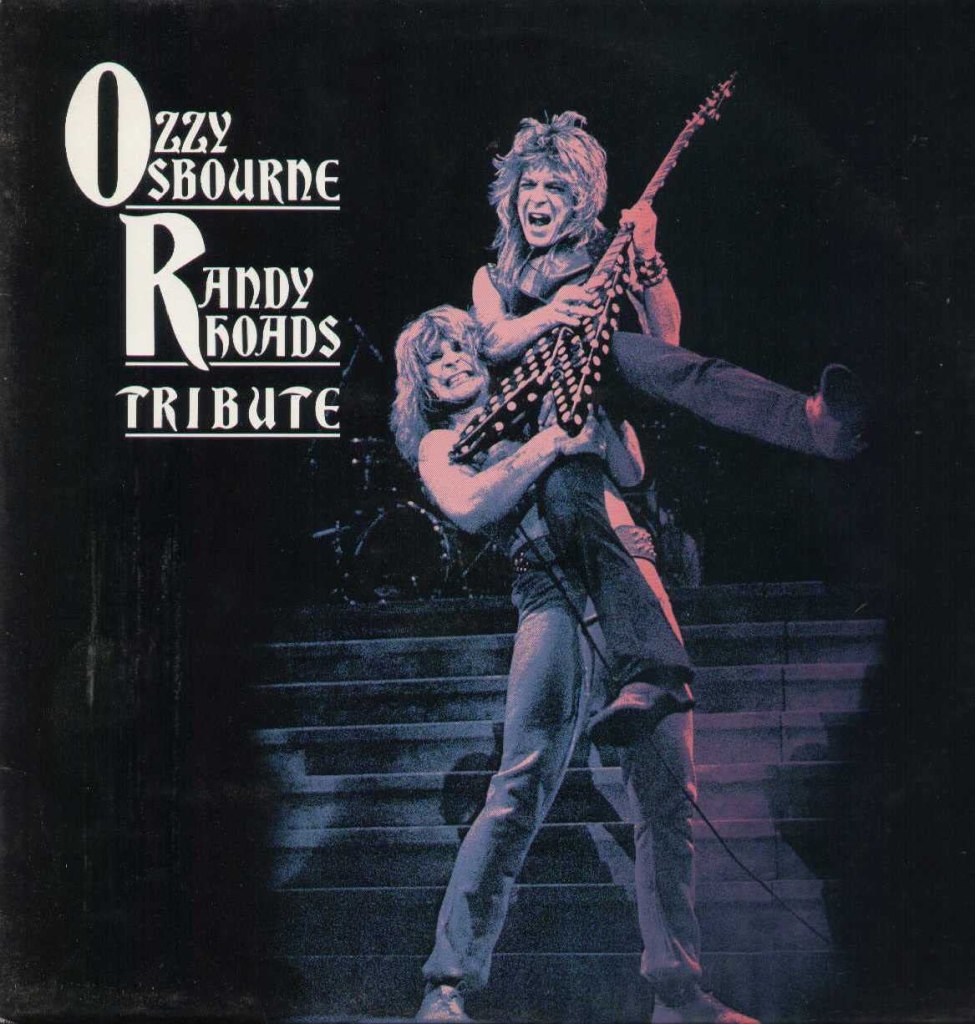
When I heard of his passing, “Revelation (Mother Earth)” (from Blizzard of Ozz) was the first song that came to mind. A more perfect song does not exist.
Throughout his illustrious career, Ozzy showed no signs of slowing down. His seventh studio album, Ozzmosis (1995), topped the charts, fueled by long-time guitarist Zakk Wylde’s exceptional skills. His output in the 2000s began with Down to Earth in 2001 and ended with his final album, Patient Number 9, in 2022.
He maintained consistent quality, from the first album to the last. Ozzy produced nine albums with Black Sabbath and thirteen solo albums over his decades-long career, leaving more than enough to cherish for any music lover.
During my garage band days, we learned a few Black Sabbath songs. I was a meager bass player, grinding out the ominous, dirge-like groove of “Black Sabbath,” the six-minute opener to their explosive debut album. I can’t say we did it justice, but we gave it everything we had.
No Rest for the Wicked

By the late ’90s, Ozzfest had cemented itself as the premier annual rock event—a full-blown sanctuary for metalheads. I went twice, though the exact years are a bit of a blur.
Piling into a van with friends and heading to West Palm Beach or Tampa for days of mosh pits and head-banging chaos remains one of the highlights of my youth.
I’ll never forget standing just a few feet from the stage as Ozzy emerged, arms raised high, while the opening chords of “No More Tears” thundered through the concert grounds. It was pure magic.
Ozzy was also a pioneer of the music video era, creating some of the most memorable visuals in rock history. From his early days with Black Sabbath to his later solo work, he embraced the medium with a theatrical flair.
I remember being captivated by the shot-on-video, Dark Shadows-style aesthetic of “Bark at the Moon” and “So Tired,” catching them back-to-back on VH1 late at night. “No More Tears” was among one of Ozzy’s finest music videos and a staple of MTV’s heavy rotation at the time.
Ozzy embraced popular culture in all its forms. His tongue-in-cheek cameo as a televangelist denouncing heavy metal in the cult 1986 supernatural slasher Trick or Treat remains a constant delight.
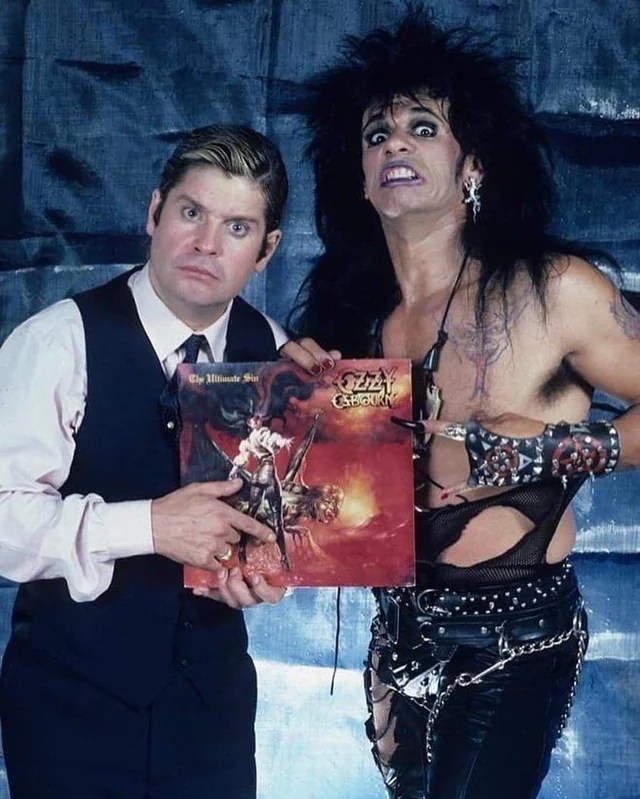
From 2002 to 2005, he found a surprising second act as a reality TV star in MTV’s The Osbournes. I was never a huge fan of the show, but I was glad to see Ozzy reaching a new generation and getting the spotlight he deserved.
See You on the Other Side
There’s no denying the profound impact Ozzy Osbourne had on my life and millions of others. Like all true legends, he made it look effortless. He was both a devoted family man and a relentless artist, uncompromising in his vision and unwavering in his drive.
His passion for performing was unmistakable; he gave his fans everything he had. His heart, humanity, and unmistakable talent were always front and center.
He was was inducted into the Rock and Roll Hall of Fame as a member of Black Sabbath in 2006 and as a solo artist in 2024.
Throughout his career, Ozzy’s music was frequently mischaracterized as promoting Satanism, a label he consistently rejected. This perception was fueled in part by the infamous bat-biting incident in the ’80s, when Ozzy, under the influence and thinking it was a stage prop, bit the head off a real bat.
It was a shocking moment that fed the myth, but also a reflection of the chaotic, drug-fueled era he was navigating at the time.
Ozzy lived a wild life but credits his wife/manager Sharon Osbourne for saving him. I suppose it’s a miracle he lived to 76. He leaves behind a loving wife, six children, ten grandchildren, and millions of mourning fans all over the world.
The overwhelming outpouring of love from virtually every living musician following his passing speaks volumes. His influence is immeasurable, and his legacy will echo for generations.
Farewell to the Godfather of Heavy Metal.
You will be greatly missed. RIP.

 Shawn McKee
Leave a comment